Roller Banners vs Pop-Up Displays: Which Is Right for Your UK Event?
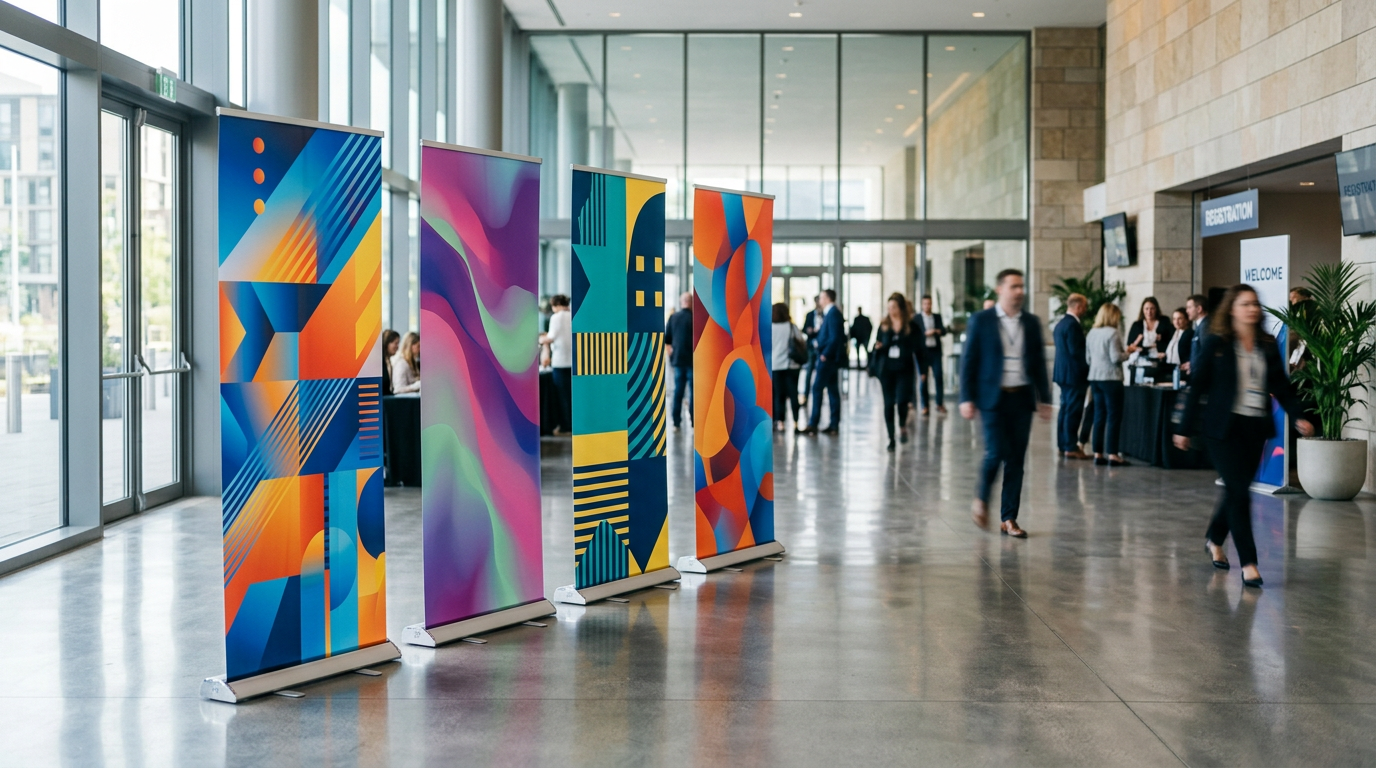
When it comes to making a strong impression at UK trade shows, exhibitions, and corporate events, your choice of display can be the difference between blending into the background and stopping visitors in their tracks. Two of the most popular portable display solutions are roller banners (also known as pull-up banners) and pop-up displays — and at PRiNT BiG UK, we help businesses across the country choose and produce the right solution every day.
In this guide, we break down the key differences between roller banners and pop-up displays, covering setup, cost, visual impact, and the types of events each format suits best — so you can invest with confidence.
What Are Roller Banners?
A roller banner (or pull-up banner) is a retractable display unit where the printed graphic is housed in a compact base unit. When needed, the banner pulls upward and is supported by a lightweight pole — ready to display in under a minute. When the event is over, it retracts neatly back into the base for easy transport.
Roller banners are one of the most widely used display formats in the UK, and for good reason:
- Portability: Most units weigh between 3–6 kg and come with a carry bag, making them ideal for solo exhibitors or small teams.
- Quick setup: No tools required — most roller banners are assembled in under two minutes.
- Cost-effective: Entry-level roller banners start from as little as £30–£60 for the hardware, with full-colour print included at competitive rates.
- Versatility: Suitable for trade shows, retail environments, reception areas, conferences, and pop-up shops.
Standard roller banner sizes in the UK are typically 800mm × 2000mm or 850mm × 2000mm, though wide-format options up to 1500mm are available for greater visual presence.
What Are Pop-Up Displays?
A pop-up display is a larger, curved or straight frame system that creates a seamless backdrop wall when assembled. The frame — usually made from lightweight aluminium — expands accordion-style, and printed panels or fabric graphics attach to it magnetically or via tension.
Pop-up displays are the go-to choice when you need to create a branded environment rather than a single focal point:
- Visual impact: A 3-metre pop-up display creates a dramatic, professional backdrop that commands attention across a busy exhibition hall.
- Brand immersion: The large surface area allows for rich imagery, brand storytelling, and multiple messaging zones.
- Reusability: High-quality frames can last for years, with replacement graphics available when your branding updates.
- Modular options: Many systems can be extended or reconfigured to suit different stand sizes.
Fabric vs Graphic Pop-Up Displays
When choosing a pop-up display, you'll typically decide between two graphic formats:
- Fabric pop-ups: Printed on stretch polyester fabric, these offer a premium, wrinkle-resistant finish. They're lightweight, machine-washable, and increasingly popular at UK exhibitions. Fabric graphics also tend to look more contemporary and are a favourite for fashion, tech, and lifestyle brands.
- Graphic panel pop-ups: Printed on rigid or semi-rigid panels that clip or attach magnetically to the frame. These offer a very flat, high-resolution finish and are well-suited to photography-heavy designs or detailed product imagery.
Key Differences: Size, Setup & Cost
Understanding the practical differences between these two formats will help you make the right call for your budget and event schedule.
- Size: Roller banners are single-unit displays, typically 800–1500mm wide. Pop-up displays range from 1.5 metres to 4+ metres wide, creating a full backdrop experience.
- Setup time: Roller banners take 1–2 minutes. Pop-up displays typically take 10–20 minutes for a full 3-metre system, though experienced users can do it faster.
- Transport: Roller banners fit in a slim carry bag. Pop-up displays come in wheeled transit cases — heavier but still manageable for two people.
- Cost: Roller banners are significantly more affordable, making them ideal for businesses attending multiple events with limited budgets. Pop-up displays represent a larger upfront investment (typically £300–£800+ for a complete system) but offer far greater visual impact and longevity.
- Graphic replacement: Both formats allow for graphic replacement without replacing the hardware — a key consideration for businesses that rebrand or run seasonal campaigns.
Choosing the Right Display for Your UK Event
The best display format depends on the nature of your event, your available space, and the impression you want to create. Here's how to think through the decision:
Trade Shows & Exhibitions
For major UK trade shows — such as those held at the ExCeL London, NEC Birmingham, or Manchester Central — a pop-up display is often the stronger choice. You're competing for attention in a busy hall, and a 3-metre branded backdrop immediately signals professionalism and investment. Pair it with one or two roller banners at the sides of your stand to reinforce key messages or highlight specific products.
Retail, Corporate & Smaller Events
For in-store promotions, corporate receptions, networking events, or roadshows, roller banners are frequently the smarter option. They're easy to transport between locations, quick to set up, and can be updated cost-effectively as your messaging evolves. A set of two or three coordinated roller banners can create a cohesive branded zone without the bulk of a full pop-up system.
Top Tips for Getting the Best Results from Your Display
Whichever format you choose, the quality of your printed graphics will determine how professional your display looks. Here are some practical tips from the team at PRiNT BiG UK:
- Design at the correct resolution: For roller banners, supply artwork at 150 dpi at full size (or 300 dpi at 50% scale). For pop-up displays, 100–150 dpi at full size is typically sufficient given viewing distances.
- Use CMYK colour mode: Always convert your artwork from RGB to CMYK before submitting for print to avoid unexpected colour shifts. If your brand uses Pantone colours, ask your printer about colour matching options.
- Include bleed: Add at least 5mm of bleed around all edges of your artwork to prevent white borders appearing after trimming or fitting.
- Keep key content away from edges: Maintain a safe zone of at least 50mm from the edges of roller banners and 20–30mm from panel joins on pop-up displays.
- Consider the UK climate: If your display will be used outdoors or in marquee environments — common at UK summer events and festivals — opt for UV-resistant inks and moisture-resistant substrates to prevent fading and warping.
- Order early: During peak exhibition seasons (spring and autumn in the UK), turnaround times can extend. Ordering 7–10 working days ahead ensures you receive your display in time for final checks.
Ready to Make Your Mark at Your Next UK Event?
Whether you need a single roller banner for a local networking event or a full pop-up display system for a national trade show, PRiNT BiG UK has the expertise, equipment, and materials to deliver outstanding results. We work with businesses of all sizes across the UK — from independent retailers in London to national brands exhibiting at the NEC — providing fast turnaround, vibrant print quality, and expert advice at every step.
Get in touch with the PRiNT BiG UK team today to discuss your event display requirements, request a quote, or upload your artwork. Let us help you stand out from the crowd at your next UK event.
Tags:
Related Articles
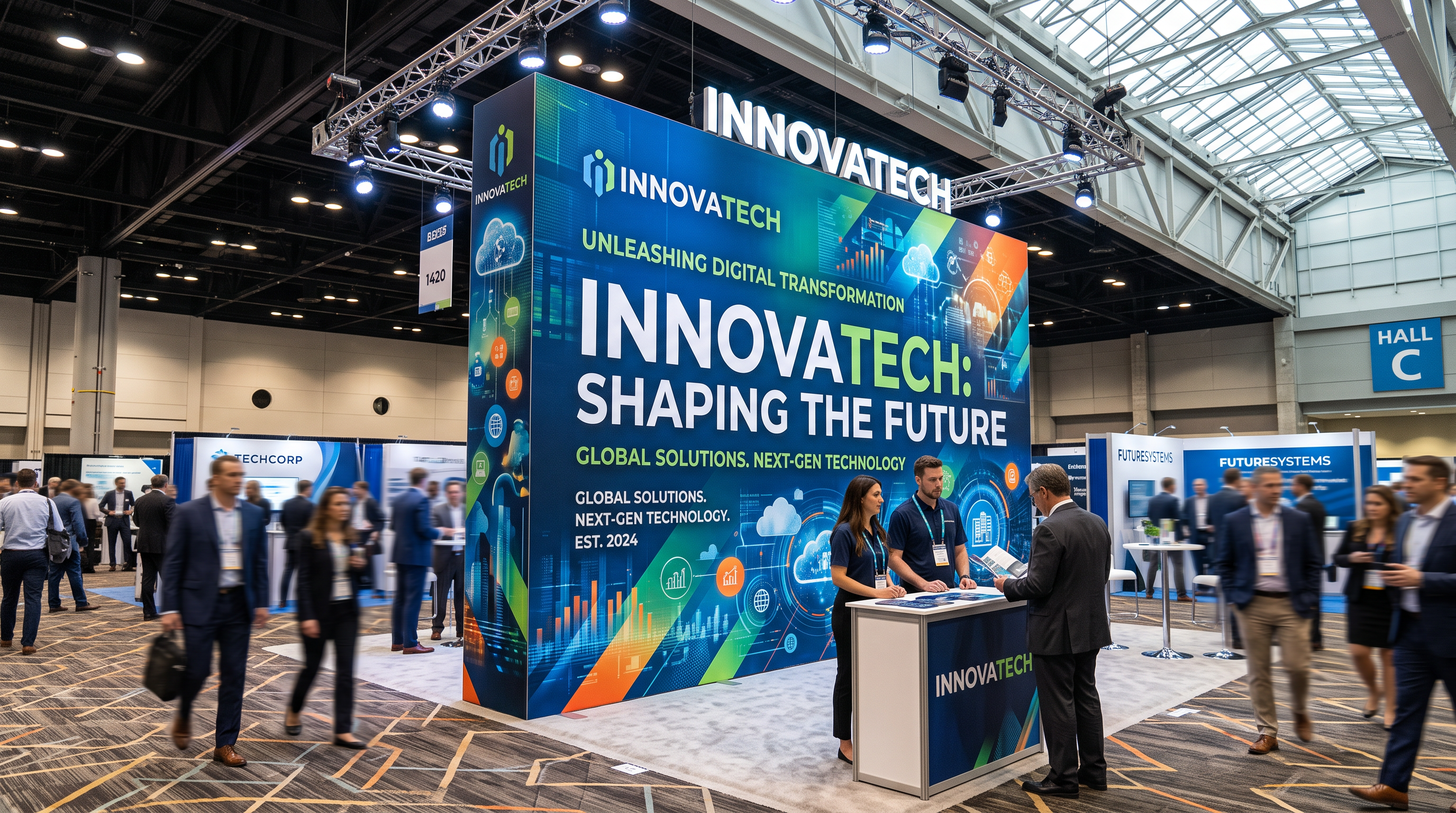
Exhibition Stand Graphics UK: Design High-Impact Trade Show Displays
Discover how to create stunning exhibition stand graphics that stop visitors in their tracks at UK trade shows. From artwork setup to material selection, PRiNT BiG UK shares expert tips for maximising your display impact.
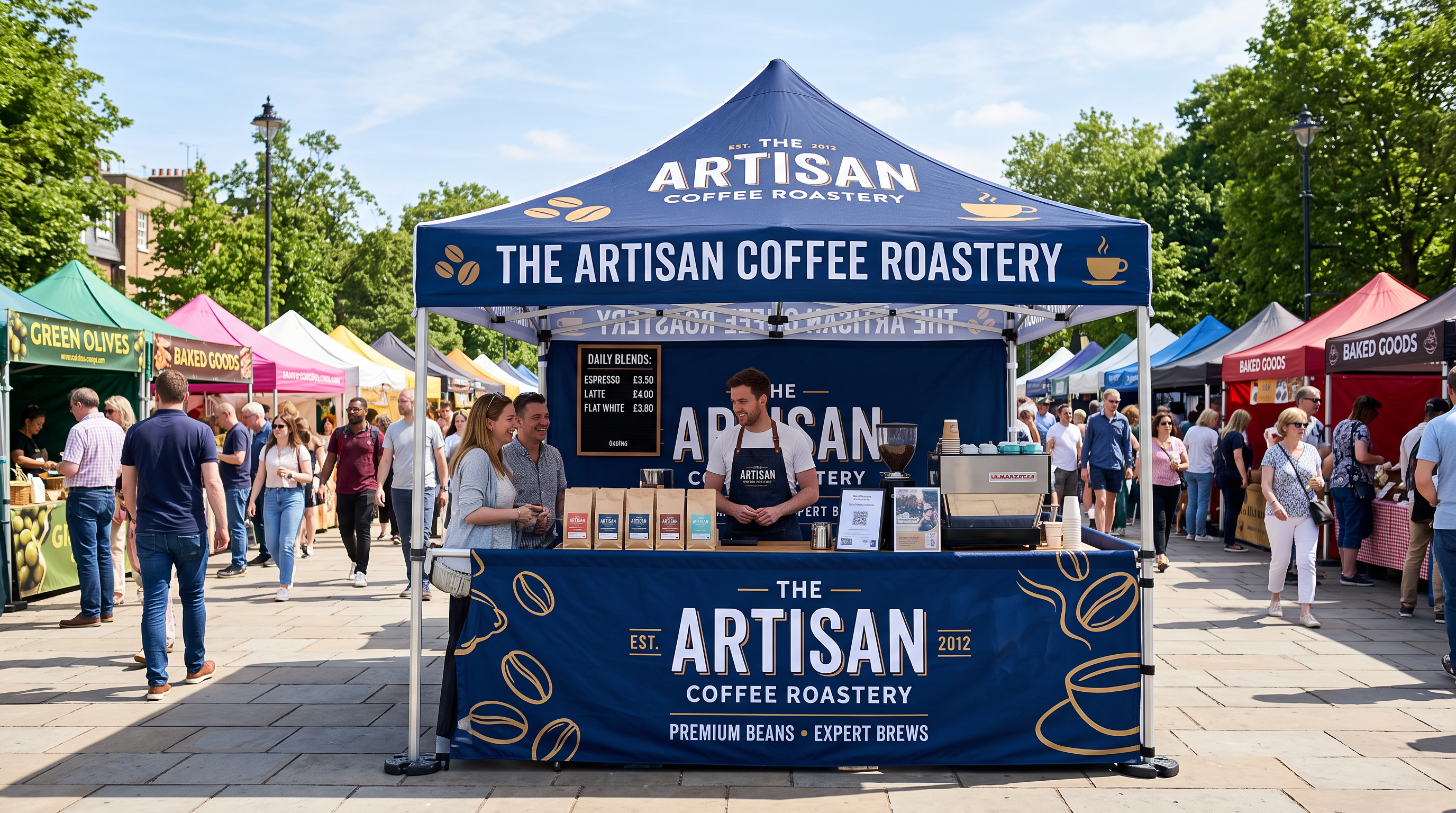
Branded Gazebo & Marquee Printing UK: Stand Out at Every Outdoor Event
From farmers' markets to summer festivals, a custom printed gazebo or branded marquee makes your business impossible to miss. Discover how PRiNT BiG UK can help you create stunning outdoor branded shelters that attract customers and reinforce your brand identity.
Outdoor Event Signage UK: Large Format Printing for Summer Events
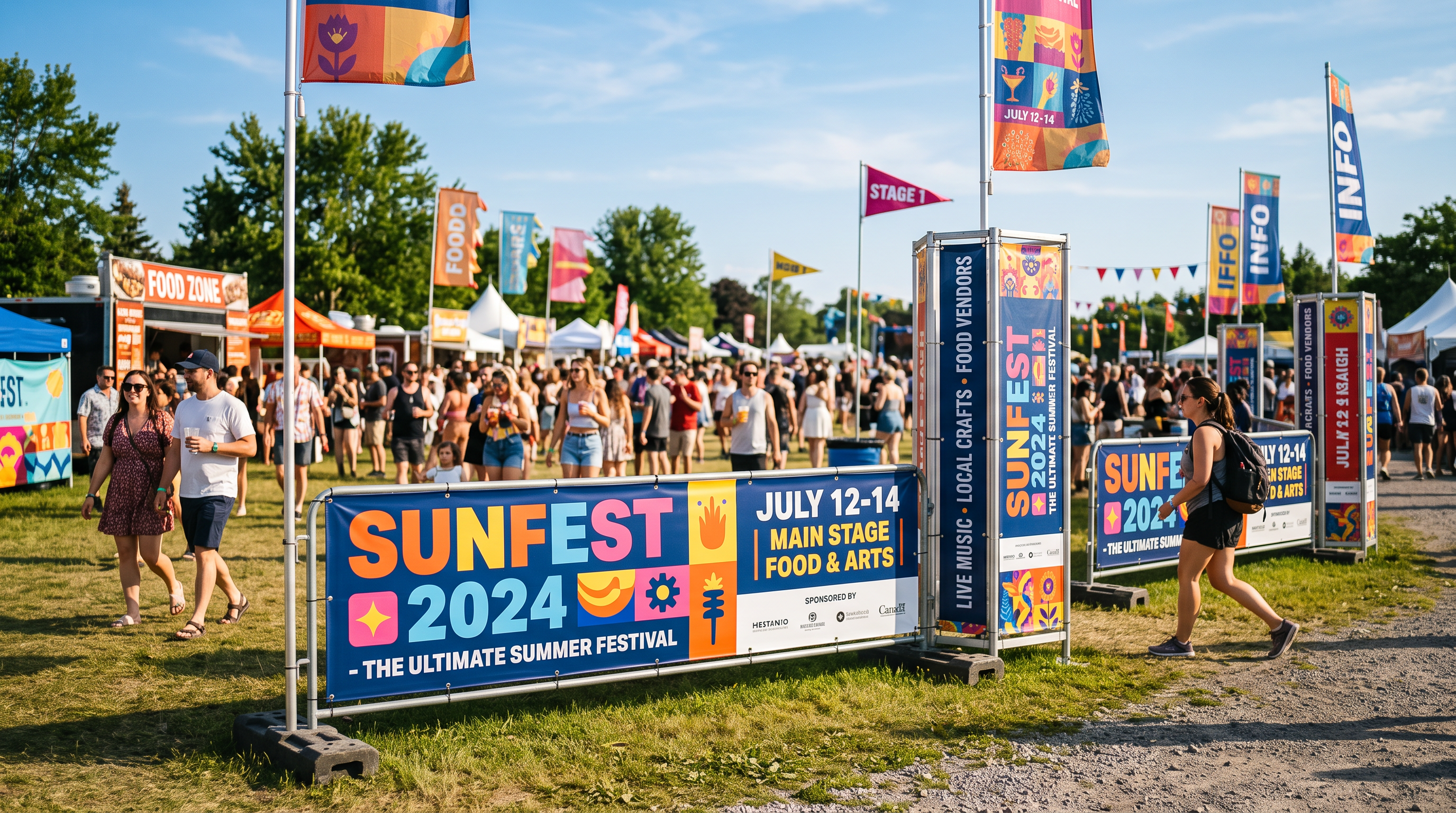
Summer is peak season for outdoor events across the UK. Discover how to choose the right large format printing solutions for festivals, markets, and outdoor exhibitions — signage that looks stunning and performs in the British summer.