Exhibition Tips
Exhibition Stand Design Psychology: How to Attract More Visitors
Sarah Thompson
August 5, 2025
12 min read
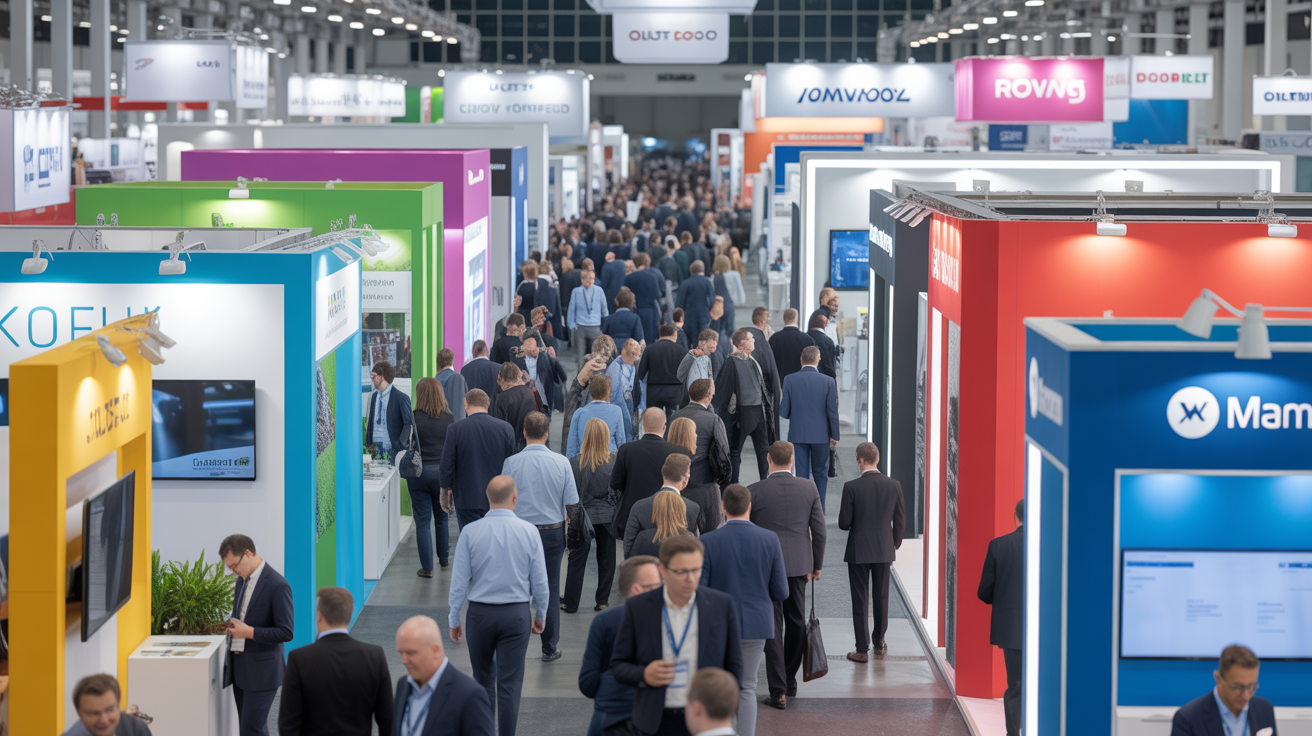
Trade shows are psychological battlegrounds where hundreds of exhibitors compete for limited attention. Understanding visitor psychology is the key to designing stands that not only attract but convert browsers into customers.
**The 3-Second Rule**
Research shows that trade show visitors make subconscious decisions about whether to approach a stand within 3 seconds. This means your visual impact must be immediate and compelling. Large, clear messaging visible from the aisle is crucial – visitors shouldn't have to work to understand what you do.
**Creating Visual Magnetism**
The human eye is naturally drawn to certain elements. Movement (digital displays, rotating elements) attracts attention, as do bright colors and unusual shapes. However, attraction without purpose leads nowhere. Your eye-catching elements should guide visitors toward your key messages and desired actions.
**The Psychology of Space**
Open, welcoming spaces feel approachable, while cluttered or closed-off areas can feel intimidating. Create clear sightlines into your stand space and avoid barriers that might psychologically discourage approach. A good rule is to keep 60% of your stand perimeter open and accessible.
**Color Psychology in Exhibition Environments**
Colors trigger emotional responses that can influence behavior. Red creates urgency and energy but can be overwhelming in large quantities. Blue builds trust and calm – excellent for technology or financial services. Green suggests innovation and growth. Yellow captures attention but use sparingly. Consider your industry norms while finding ways to stand out appropriately.
**The Power of Height and Levels**
Variations in height create visual interest and can define different functional areas within your stand. Elevated platforms suggest importance and authority, while lower seating areas feel more intimate for detailed discussions. Strategic height variations guide traffic flow and create natural conversation zones.
**Lighting's Subtle Influence**
Proper lighting doesn't just illuminate; it creates mood and hierarchy. Bright, even lighting suggests professionalism and energy. Accent lighting highlights key products or messages. Avoid harsh shadows that can make your space feel uninviting. LED technology now offers infinite color options to align with your brand.
**The 'Honey Pot' Effect**
Crowds attract crowds. A busy stand signals credibility and desirability. Create natural gathering points through demonstrations, presentations, or interactive elements. Even having your own staff engaged in animated conversation can draw curious visitors.
**Engagement Through Interactivity**
Passive displays inform, but interactive elements engage. Touch screens, product demonstrations, VR experiences, or simple games activate different parts of the brain, creating stronger memory formation. The key is ensuring interactivity serves your business goals, not just entertainment.
**Strategic Product Placement**
Position your most impressive or photogenic products at eye level and visible from multiple angles. Create clear product hierarchies – your hero products should be immediately apparent, with supporting products providing context without distraction.
**The Exit Strategy**
How visitors leave your stand affects their lasting impression. Position key takeaways (brochures, samples, contact information) near exit points. A positive final interaction – perhaps a sincere thank you or relevant follow-up commitment – reinforces the entire experience.
**Cultural and Industry Considerations**
Different industries have distinct visual languages and visitor expectations. Tech shows favor clean, minimalist designs with interactive demos. Manufacturing shows might benefit from more robust displays showcasing durability. Understanding your audience's visual culture helps your stand feel "right" in context.
**Measuring Psychological Impact**
Beyond lead counts, observe visitor behavior. How long do people spend at your stand? Do they explore multiple areas or focus on one element? Are they taking photos? These behavioral indicators reveal whether your psychological strategies are working.
**Post-Show Psychology**
Your exhibition impact extends beyond the event. Distinctive design elements that appear in follow-up materials help recipients recall their positive stand experience. This psychological linking between the event experience and ongoing sales process can significantly improve conversion rates.
Tags:
exhibition design
psychology
trade shows
visitor engagement
stand design
Related Articles

Exhibition Tips
Exhibition Stand Printing UK: Design Tips to Maximise Your Trade Show Impact
Heading to a UK trade show? Discover expert tips on exhibition stand printing, from choosing the right materials and designing eye-catching graphics to navigating UK venue requirements — all to help your brand stand out on the show floor.

Exhibition Tips
Roller Banners vs Pop-Up Displays: Which Is Right for Your UK Event?
Choosing between roller banners and pop-up displays can make or break your event presence. Discover the key differences, costs, and use cases to help UK businesses pick the perfect portable display solution for exhibitions, trade shows, and retail events.
Exhibition Tips
How to Design Eye-Catching Exhibition Stands for UK Trade Shows
Discover expert tips for creating impactful exhibition stand designs that attract visitors and drive results at UK trade shows. From visual hierarchy to material selection, learn the essential principles for exhibition success.