Foam Board vs Foamex Printing UK: Which Rigid Board Is Right for You?
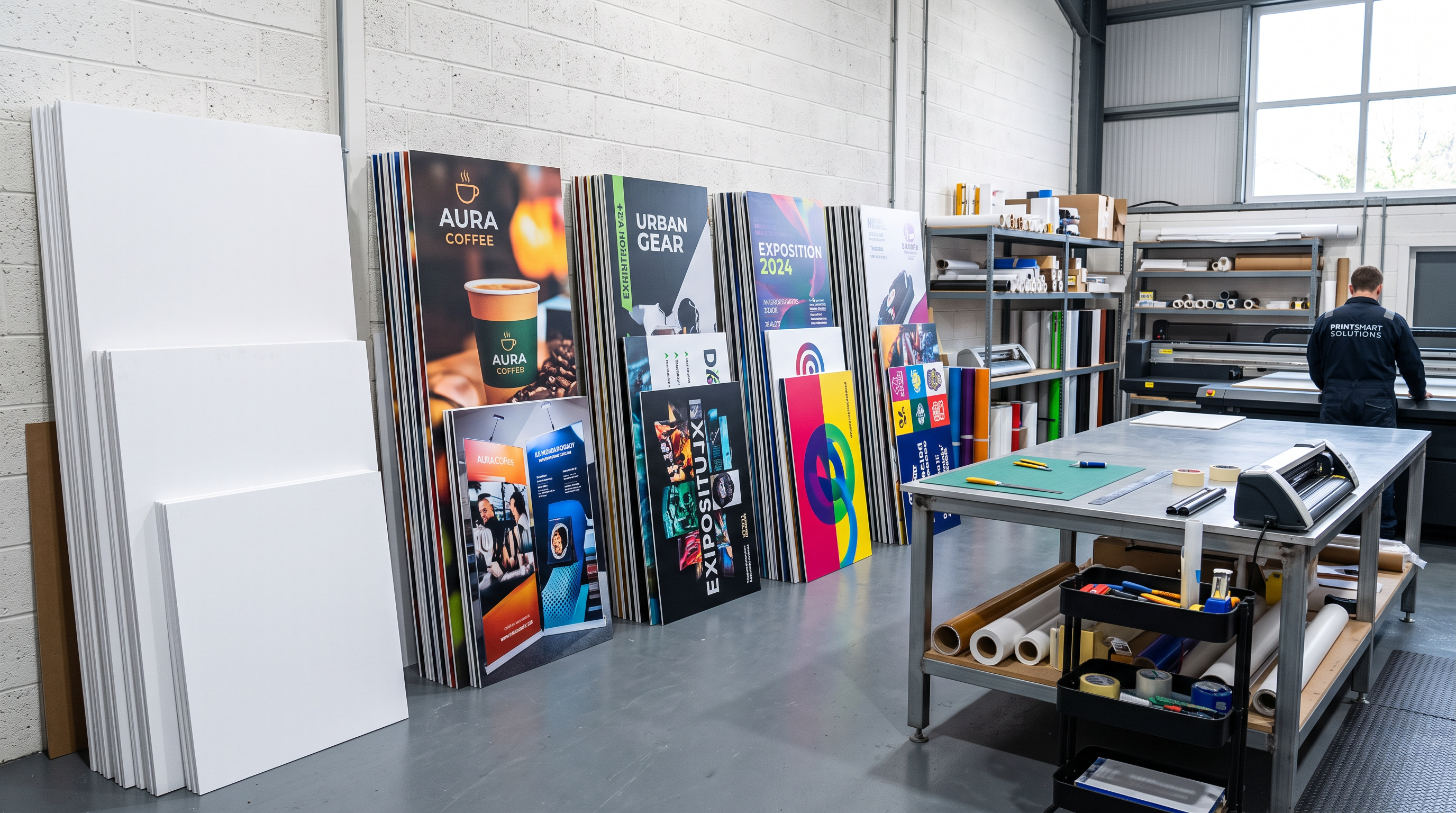
Rigid Board Printing: A Staple of UK Business Displays
When it comes to creating professional, eye-catching displays for retail environments, exhibitions, offices, or events, rigid board printing is one of the most versatile solutions available. Two of the most popular options in the UK market are foam board and Foamex (PVC foam board) — and while they may look similar at first glance, they serve quite different purposes.
At PRiNT BiG UK, we work with businesses across London and the rest of the UK every day to help them choose the right substrate for their printing needs. In this guide, we'll walk you through the key differences between foam board and Foamex, so you can make a confident, informed decision for your next project.
What Is Foam Board?
Foam board (also known as foamcore or foam core board) is a lightweight, rigid material made from a polystyrene foam core sandwiched between two layers of smooth white paper or clay-coated card. It's one of the most widely used materials in the display and print industry, particularly for short-term indoor applications.
Common Uses for Foam Board
- Point-of-sale (POS) displays in retail environments
- Exhibition and conference signage
- Estate agent window displays
- School and university presentations
- Temporary promotional signage
- Photo mounting and artwork display
Foam board is available in a range of thicknesses — typically 3mm, 5mm, and 10mm — and can be printed directly or mounted with a printed graphic. Its lightweight nature makes it easy to transport, handle, and install, which is why it remains a popular choice for short-term campaigns and events.
However, foam board does have its limitations. It is not suitable for outdoor use, as moisture and UV exposure will quickly cause the surface to delaminate and warp. It is also more susceptible to dents and damage compared to harder substrates, making it less ideal for long-term or high-traffic applications.
What Is Foamex (PVC Foam Board)?
Foamex is the trade name for expanded PVC (polyvinyl chloride) foam board, and it has become the go-to rigid substrate for a wide range of professional printing applications across the UK. Unlike traditional foam board, Foamex is made entirely from PVC, giving it a much harder, more durable surface that can withstand greater wear and tear.
Common Uses for Foamex
- Long-term retail and shop signage
- Exhibition stand panels and backdrops
- Office and reception area displays
- Semi-outdoor signage (sheltered locations)
- Menu boards and information panels
- Construction site hoardings and safety signage
Foamex is available in thicknesses ranging from 3mm to 10mm, with 5mm Foamex being the most popular choice for general signage and display work. Its smooth, hard surface accepts direct UV printing beautifully, producing sharp, vibrant graphics with excellent colour accuracy — a key consideration for brand-conscious UK businesses.
While Foamex is significantly more durable than foam board, it is worth noting that it is not fully weatherproof. It can tolerate brief exposure to light rain and humidity, making it suitable for covered outdoor areas such as canopies, porches, or sheltered hoardings — but for fully exposed outdoor applications, materials such as aluminium composite (Dibond) or correx are generally more appropriate.
Key Differences: Foam Board vs Foamex
To help you decide which material is right for your project, here's a clear comparison of the two substrates across the most important criteria:
Durability and Longevity
Foamex is considerably more durable than foam board. Its rigid PVC construction resists dents, scratches, and surface damage far better than the paper-faced polystyrene core of standard foam board. For displays that need to last more than a few weeks, or that will be handled repeatedly, Foamex is the clear winner. Foam board is best reserved for short-term campaigns of up to four weeks in low-traffic indoor environments.
Weight and Portability
Foam board has the edge when it comes to weight. A standard 5mm foam board panel is noticeably lighter than an equivalent sheet of 5mm Foamex, which makes it easier to carry, post, or attach to lightweight display systems. If you're producing large quantities of display boards for a one-day event or conference, foam board can reduce both shipping costs and physical effort on the day.
Print Quality and Finish
Both materials can deliver excellent print quality, but Foamex's harder, smoother surface tends to produce sharper detail and more vibrant colours when printed directly via UV flatbed printing. Foam board, particularly when using mounted prints rather than direct printing, can sometimes show slight surface texture or inconsistencies. For premium brand presentations, Foamex is generally preferred.
Cost Considerations
Foam board is typically the more cost-effective option, making it attractive for businesses working to tight budgets or producing high volumes of short-term signage. Foamex commands a higher price point, but its longevity means the cost per use is often lower over time. For permanent or semi-permanent signage, investing in Foamex almost always makes better financial sense in the long run.
Which Should You Choose? A UK Business Guide
The right choice depends entirely on your specific application, budget, and how long you need the display to last. Here's a quick decision guide for UK businesses:
- Choose foam board if: You need lightweight, cost-effective displays for a short-term indoor event, conference, or temporary retail promotion lasting up to four weeks.
- Choose Foamex if: You need durable, professional-quality signage for long-term retail displays, exhibition stands, office environments, or semi-outdoor sheltered locations.
- Consider alternatives such as Dibond (aluminium composite) or correx if you need fully weatherproof outdoor signage that will be exposed to the elements year-round — particularly important given the UK's unpredictable weather.
Many UK businesses use a combination of both materials: Foamex for their permanent brand signage and foam board for seasonal promotions or event-specific displays. This hybrid approach balances quality with cost-efficiency.
Design Tips for Rigid Board Printing
Whichever material you choose, following best practice for artwork preparation will ensure your rigid board prints look their very best:
- Resolution: Supply artwork at a minimum of 150 dpi at final print size. For smaller boards (up to A1), aim for 300 dpi for the sharpest results.
- Bleed: Include at least 3mm of bleed on all sides to allow for trimming without white edges appearing on the finished board.
- Colour mode: Set your artwork to CMYK colour mode before sending to print. RGB files will be converted automatically, which can cause unexpected colour shifts — particularly with brand-critical colours.
- Safe zone: Keep all important text and logos at least 5mm inside the trim line to avoid any content being cut off during finishing.
- File format: PDF (press-quality) is the preferred format for rigid board printing. Ensure all fonts are embedded or outlined.
If you're unsure about any aspect of your artwork setup, the team at PRiNT BiG UK is always happy to review your files before going to print — helping you avoid costly reprints and delays.
Get Your Rigid Board Prints Right with PRiNT BiG UK
Whether you need crisp, lightweight foam board displays for your next London trade show or durable Foamex panels for a long-running retail campaign, PRiNT BiG UK has the expertise and equipment to deliver outstanding results. We offer fast turnaround times, competitive pricing, and a dedicated team of print specialists who understand the needs of UK businesses.
Ready to get started? Browse our full range of rigid board printing UK options or get in touch with our team today for a personalised quote. We're here to help you make the right impression — every time.
Tags:
Related Articles

Museum & Gallery Display Printing: A UK Guide to Large Format Exhibits
From temporary exhibitions to permanent installations, discover how UK museums and galleries use large format printing to create stunning, professional displays. PRiNT BiG UK explores materials, finishes, and best practices for cultural venues.
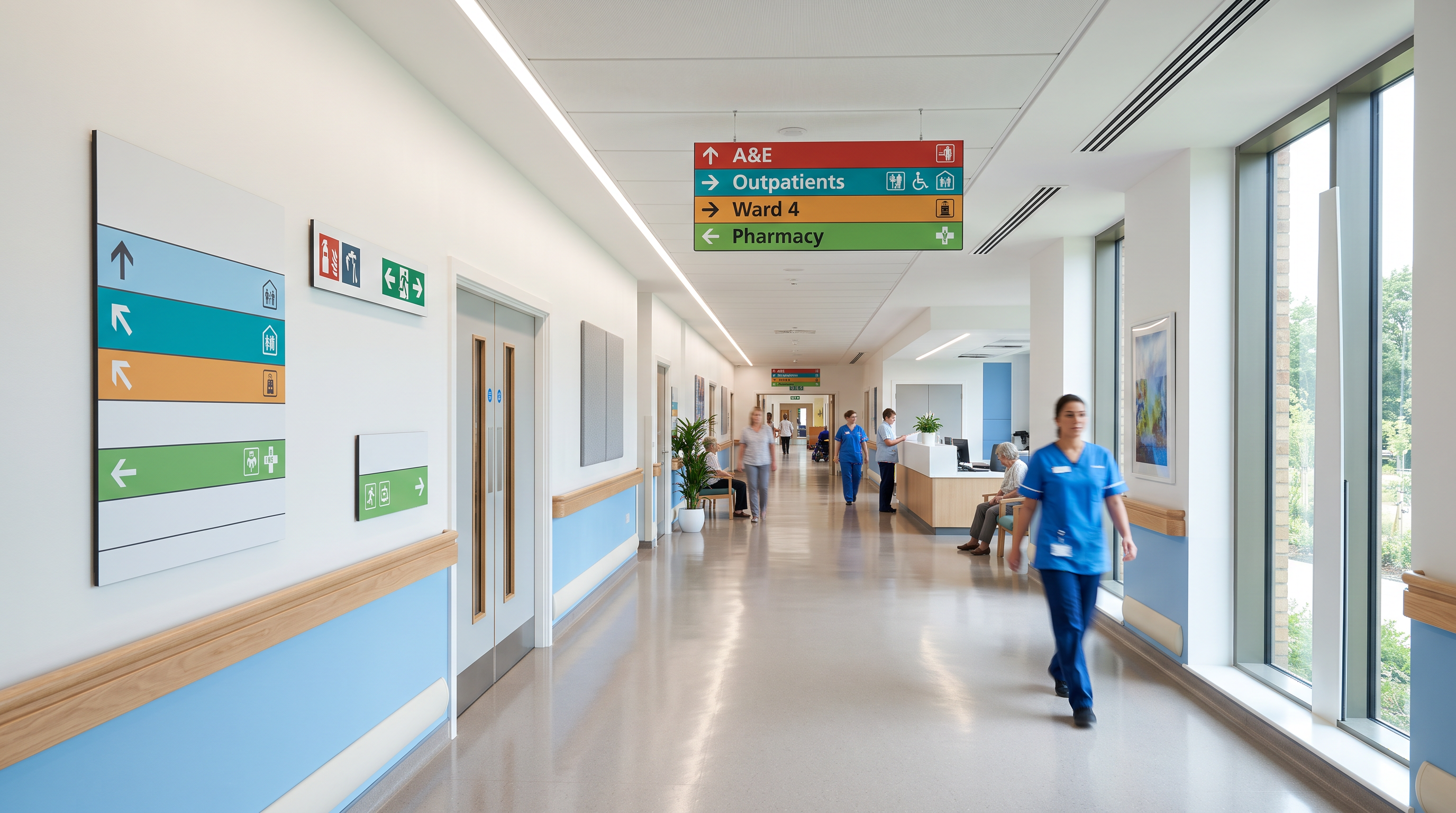
Large Format Printing for Healthcare & NHS Signage UK
From wayfinding systems in busy NHS hospitals to infection control notices and patient-facing displays, large format printing plays a vital role in UK healthcare environments. Discover how PRiNT BiG UK helps healthcare providers communicate clearly, safely, and compliantly.
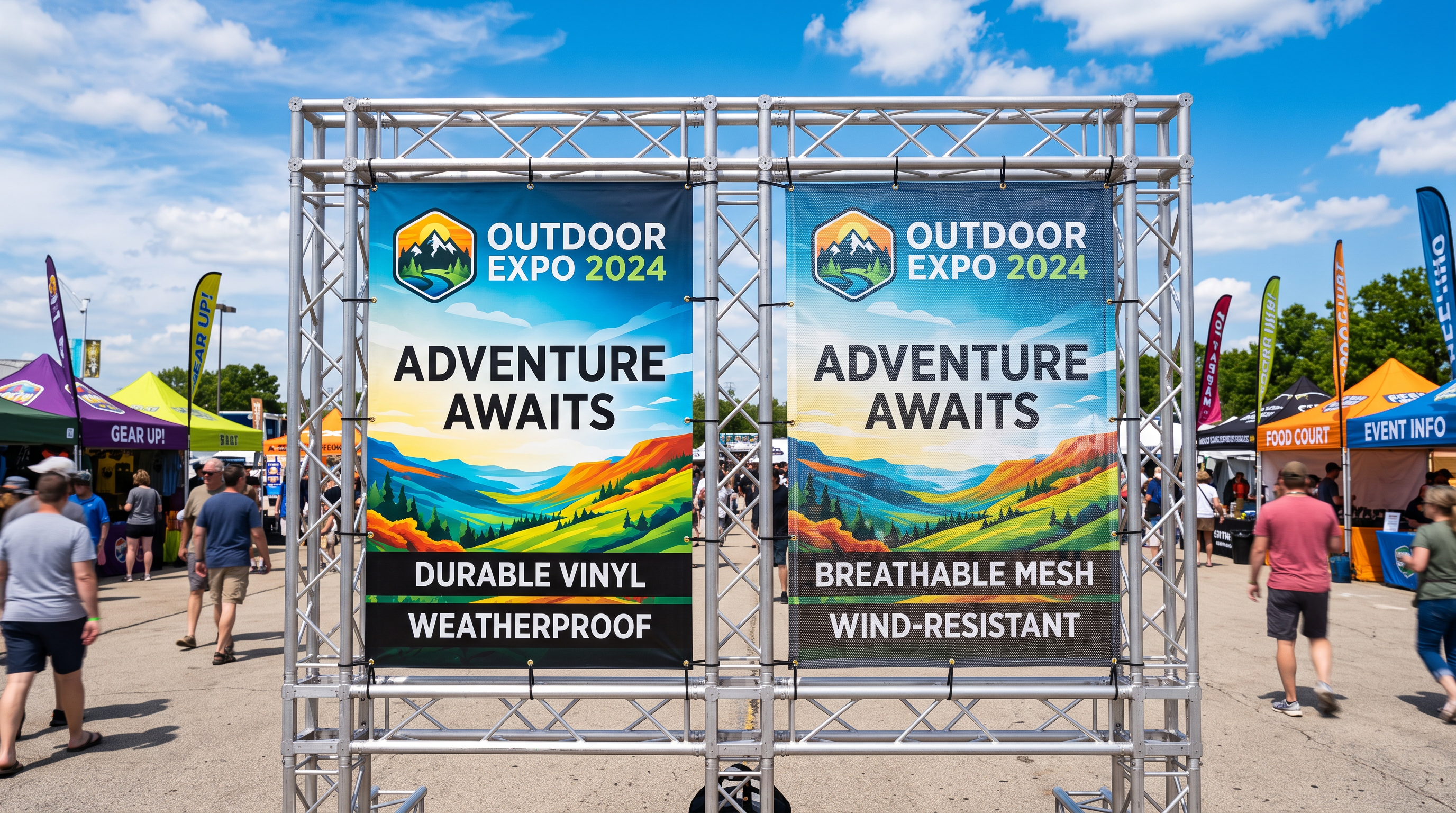
Vinyl vs Mesh Banners: Which Is Right for Your UK Outdoor Event?
Choosing between vinyl and mesh banners for your outdoor event can be tricky. This guide breaks down the key differences in durability, print quality, and cost — helping UK businesses make the right call for every outdoor display.