Sustainability
Sustainable Printing Practices: Going Green Without Compromising Quality
Emma Rodriguez
July 28, 2025
11 min read
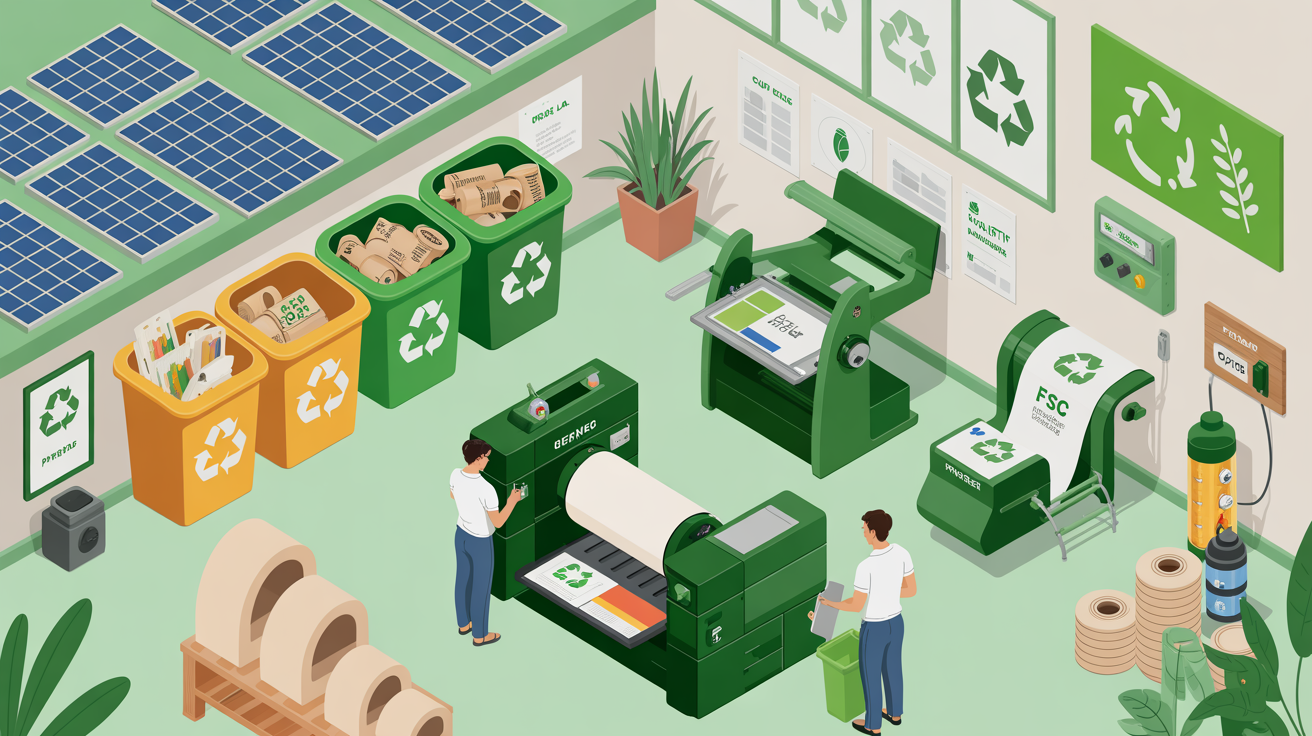
The printing industry is undergoing a green revolution. As environmental consciousness grows, businesses seek printing solutions that align with their sustainability goals without sacrificing quality or impact.
**The Environmental Impact of Traditional Printing**
Large format printing has historically relied on PVC materials and solvent-based inks that release volatile organic compounds (VOCs). While these materials offer excellent durability and color reproduction, they come with environmental costs including difficult recycling, chemical emissions, and petroleum-based raw materials.
**Eco-Friendly Material Alternatives**
**Recyclable PVC-Free Materials**: Modern alternatives include polyethylene and polypropylene substrates that offer comparable durability with improved recyclability. These materials maintain excellent print quality while reducing end-of-life environmental impact.
**Bio-Based Substrates**: Plant-based materials like bamboo fiber, hemp, and even algae-derived substrates are emerging as viable options for specific applications. While still developing, these materials offer completely renewable alternatives for temporary signage and indoor applications.
**Paper-Based Options**: For indoor applications, paper-based materials provide excellent sustainability. Modern synthetic papers offer water resistance approaching that of plastic substrates while remaining fully recyclable through standard paper waste streams.
**Fabric Solutions**: Natural and recycled fiber textiles provide premium aesthetics with excellent environmental credentials. Organic cotton, recycled polyester, and hemp fabrics work beautifully for high-end applications where sustainability is a key brand message.
**Revolutionary Ink Technologies**
**Water-Based Inks**: Modern water-based ink formulations rival traditional solvent inks for color gamut and durability while eliminating VOC emissions. These inks are particularly suitable for indoor applications and short-term outdoor use.
**UV-Curable Inks**: UV inks cure instantly without heat or solvents, eliminating emissions during printing. While the curing process requires energy, the elimination of drying time and chemical emissions often results in net environmental benefits.
**Latex Inks**: HP's latex ink technology uses water-based inks with latex particles that create durable, scratch-resistant prints without traditional solvents. These inks offer excellent outdoor durability with minimal environmental impact.
**Vegetable-Based Inks**: Derived from soy, linseed, or other plant oils, vegetable-based inks provide excellent print quality with biodegradable properties. They're particularly effective for paper-based applications.
**Energy-Efficient Printing Processes**
**LED UV Curing**: LED UV systems use 75% less energy than traditional UV lamps while generating less heat, reducing cooling requirements. The instant on/off capability eliminates warm-up waste energy.
**Optimized Production Workflows**: Modern RIP (Raster Image Processing) software optimizes ink usage, reducing waste while maintaining quality. Gang printing – combining multiple jobs on single runs – maximizes material utilization.
**Local Sourcing and Production**: Choosing local suppliers and production facilities significantly reduces transportation emissions. This strategy also supports local economies while reducing project timelines.
**Waste Reduction Strategies**
**Print-on-Demand**: Rather than overproducing and storing materials, print-on-demand reduces waste while ensuring fresh, current materials. Digital printing's setup efficiency makes small runs economically viable.
**Material Recovery Programs**: Many suppliers now offer take-back programs for used banners and signage. These materials can be recycled into new products or responsibly disposed of rather than ending up in landfills.
**Optimized Design for Sustainability**: Design choices impact environmental footprint. Standard sizes reduce waste, while designs that avoid bleeds minimize material usage. Considering end-of-life during design phase enables easier recycling or disposal.
**Certifications and Standards**
**FSC Certification**: For paper-based materials, Forest Stewardship Council certification ensures responsible forest management practices.
**GREENGUARD Certification**: This standard ensures low chemical emissions from printed materials, crucial for indoor applications where air quality matters.
**Cradle to Cradle**: This comprehensive certification evaluates entire product lifecycles, from material sourcing through end-of-life disposal or recycling.
**Cost Considerations and ROI**
Sustainable printing often commands premium pricing, but costs are decreasing as demand grows and technologies mature. Factor in potential marketing benefits – sustainability credentials can differentiate your brand and appeal to environmentally conscious customers. Many businesses find that sustainable messaging resonates strongly with their target audiences.
**Implementation Strategies**
Start with low-risk applications like indoor displays or short-term promotional materials. As confidence grows and costs decrease, expand sustainable practices to more demanding applications. Communicate your environmental initiatives to customers – sustainability can become a competitive advantage.
**Future Trends**
Emerging technologies promise even more sustainable options. Bioprinting, using living organisms to create materials, may revolutionize substrate production. Circular economy principles are driving innovations in material recovery and reuse. As regulations tighten and consumer awareness grows, sustainable printing will likely become the standard rather than the exception.
Tags:
sustainable printing
eco-friendly
green printing
environmental
sustainability
Related Articles

Sustainability
Sustainable Large Format Printing: Eco-Friendly Options for UK Businesses
Discover how UK businesses can reduce environmental impact with sustainable large format printing. Explore eco-friendly materials, green inks, and practical tips for environmentally responsible signage and banners.