Digital vs Traditional Large Format Printing: Which Is Right for Your UK Business?
When it comes to large format printing in the UK, businesses today have more options than ever before. Two broad approaches dominate the market: digital large format printing and traditional (analogue) large format printing. Each has its strengths, its ideal applications, and its cost profile. At PRiNT BiG UK, we work with clients across London, Manchester, Birmingham, and beyond to help them choose the right method for their specific needs — and in this guide, we'll walk you through everything you need to know.
What Is Digital Large Format Printing?
Digital large format printing uses inkjet or laser technology to print directly from a digital file onto a wide range of substrates — from vinyl and fabric to rigid boards and canvas. There are no printing plates or screens involved; the image is transferred directly from your artwork file to the material.
Modern digital large format printers can produce stunning results at widths of up to 5 metres or more, making them ideal for everything from exhibition banners and retail displays to building wraps and vehicle graphics.
Key Advantages of Digital Printing
- No minimum order quantities: You can print a single banner or a small run of posters without incurring setup costs.
- Fast turnaround: Digital files go straight to print, meaning same-day or next-day production is often achievable.
- Full-colour photographic quality: Modern inkjet technology delivers rich, vibrant colours with smooth gradients and fine detail.
- Easy personalisation: Variable data printing allows each piece to be customised — ideal for event signage, name badges, or location-specific campaigns.
- Cost-effective for short runs: Without plate or screen setup costs, digital is economical even for one-off prints.
What Is Traditional Large Format Printing?
Traditional large format printing encompasses older analogue methods such as screen printing, lithographic printing, and flexographic printing. These techniques use physical plates, screens, or rollers to apply ink to a substrate, and they have been the backbone of the printing industry for decades.
While these methods are less common for large format work today, they remain relevant in specific contexts — particularly for very high-volume runs where the per-unit cost advantage of analogue processes becomes significant.
Key Advantages of Traditional Printing
- Lower cost per unit at high volumes: Once plates or screens are set up, the cost per print drops significantly at scale.
- Consistent colour matching: Pantone and spot colour matching is highly reliable, making it ideal for brand-critical applications.
- Specialist finishes: Techniques like screen printing can apply metallic inks, UV varnishes, and tactile finishes that are difficult to replicate digitally.
- Durability on certain substrates: Screen-printed inks can be more resistant to outdoor weathering on some materials.
Cost Comparison: Digital vs Traditional
For most UK businesses commissioning large format signage, digital printing will be the more cost-effective choice — particularly for runs under a few hundred units. Here's a simplified breakdown:
- Setup costs: Digital has virtually none; traditional can involve significant plate or screen preparation fees.
- Short runs (1–50 units): Digital wins clearly — no setup cost means a lower total spend.
- Medium runs (50–500 units): Digital remains competitive; traditional may begin to close the gap depending on complexity.
- Large runs (500+ units): Traditional methods can offer a lower cost per unit, though digital technology continues to close this gap rapidly.
It's worth noting that for the vast majority of large format applications — banners, exhibition graphics, retail signage, building wraps — digital printing is now the industry standard in the UK, and for good reason.
Quality and Colour Accuracy
One of the most common concerns businesses raise is whether digital printing can match the colour accuracy of traditional methods. The honest answer is: it depends on your requirements.
For photographic imagery, complex gradients, and full-colour designs, modern digital large format printers are exceptional. Wide-gamut inkjet systems can reproduce an enormous range of colours with impressive fidelity.
However, if your brand relies on exact Pantone colour matching — for instance, a corporate logo that must be a precise shade of blue across every printed item — traditional screen printing or specialist digital workflows with colour profiling may be necessary. At PRiNT BiG UK, our colour management processes ensure that your brand colours are reproduced as accurately as possible across all digital print runs.
Resolution and Viewing Distance
For large format printing, resolution requirements differ from standard document printing. A banner viewed from 3 metres away needs far less resolution than an A4 leaflet viewed at arm's length. As a general guide:
- Close-up viewing (under 1 metre): Aim for 150–300 DPI at final print size.
- Mid-range viewing (1–5 metres): 72–150 DPI is typically sufficient.
- Long-distance viewing (5+ metres): 25–72 DPI can produce excellent results.
Digital large format printers handle all of these scenarios with ease, and our team can advise on the optimal resolution for your specific application.
Environmental Considerations
Sustainability is an increasingly important factor for UK businesses when choosing print methods. Digital printing generally has a smaller environmental footprint for short runs, as there is no waste from plate preparation, make-ready sheets, or chemical processing. Many modern digital large format printers also use water-based or UV-curable inks that are lower in volatile organic compounds (VOCs) than traditional solvent-based inks.
At PRiNT BiG UK, we are committed to responsible printing practices, offering eco-solvent and latex ink options alongside recyclable and biodegradable substrates where possible. Whether you're printing for a London trade show or an outdoor campaign in the Scottish Highlands, we can help you make a more sustainable choice.
Which Method Is Right for Your Business?
In most cases, digital large format printing is the right choice for UK businesses. It offers the flexibility, speed, quality, and cost-effectiveness that modern marketing and signage demands. Traditional methods retain a niche for very high-volume, specialist, or brand-critical applications.
Ask yourself these questions when deciding:
- How many units do I need? (Under 500: digital almost always wins.)
- Do I need exact Pantone colour matching? (If yes, discuss colour profiling options with your printer.)
- How quickly do I need the prints? (Digital turnaround is typically faster.)
- Do I need personalisation or variable data? (Digital is the only practical option.)
- What substrate am I printing on? (Most materials are compatible with digital; some specialist finishes may require traditional methods.)
Get Expert Advice from PRiNT BiG UK
Still unsure which printing method is best for your project? The team at PRiNT BiG UK has years of experience helping businesses across the UK — from independent retailers in Birmingham to event agencies in London — choose the right print solution for their budget and goals.
Whether you need a single exhibition banner or a nationwide signage rollout, we're here to guide you through every step of the process. Get in touch with PRiNT BiG UK today for a free, no-obligation quote and expert advice tailored to your business.
Tags:
Related Articles
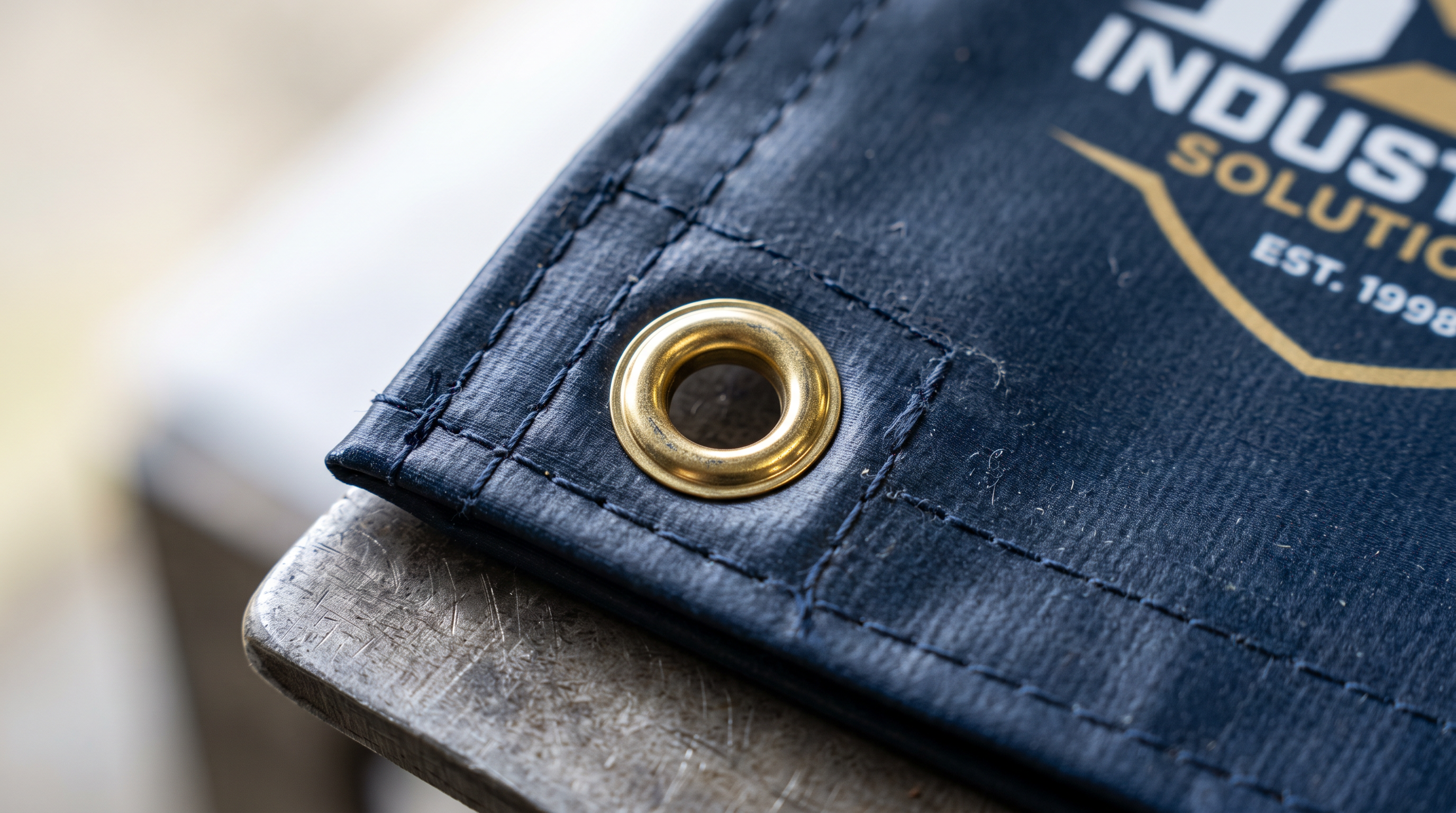
Print Finishing Options for Large Format Banners UK: Eyelets, Pole Pockets & Hemming Explained
Choosing the right finishing for your large format banner can make or break your display. From eyelets and pole pockets to hemmed edges and bungee loops, this guide explains every option so UK businesses can order with confidence.
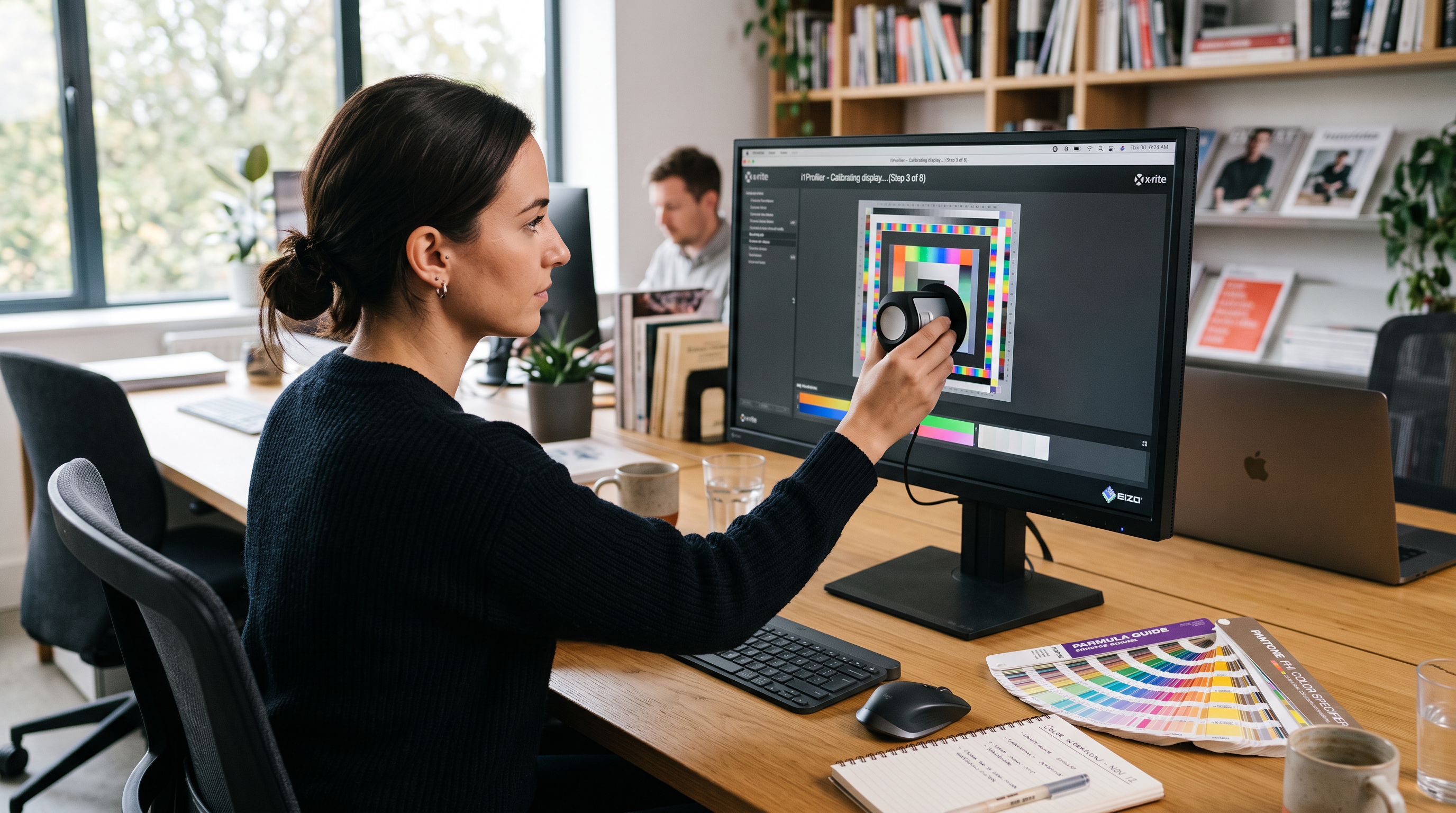
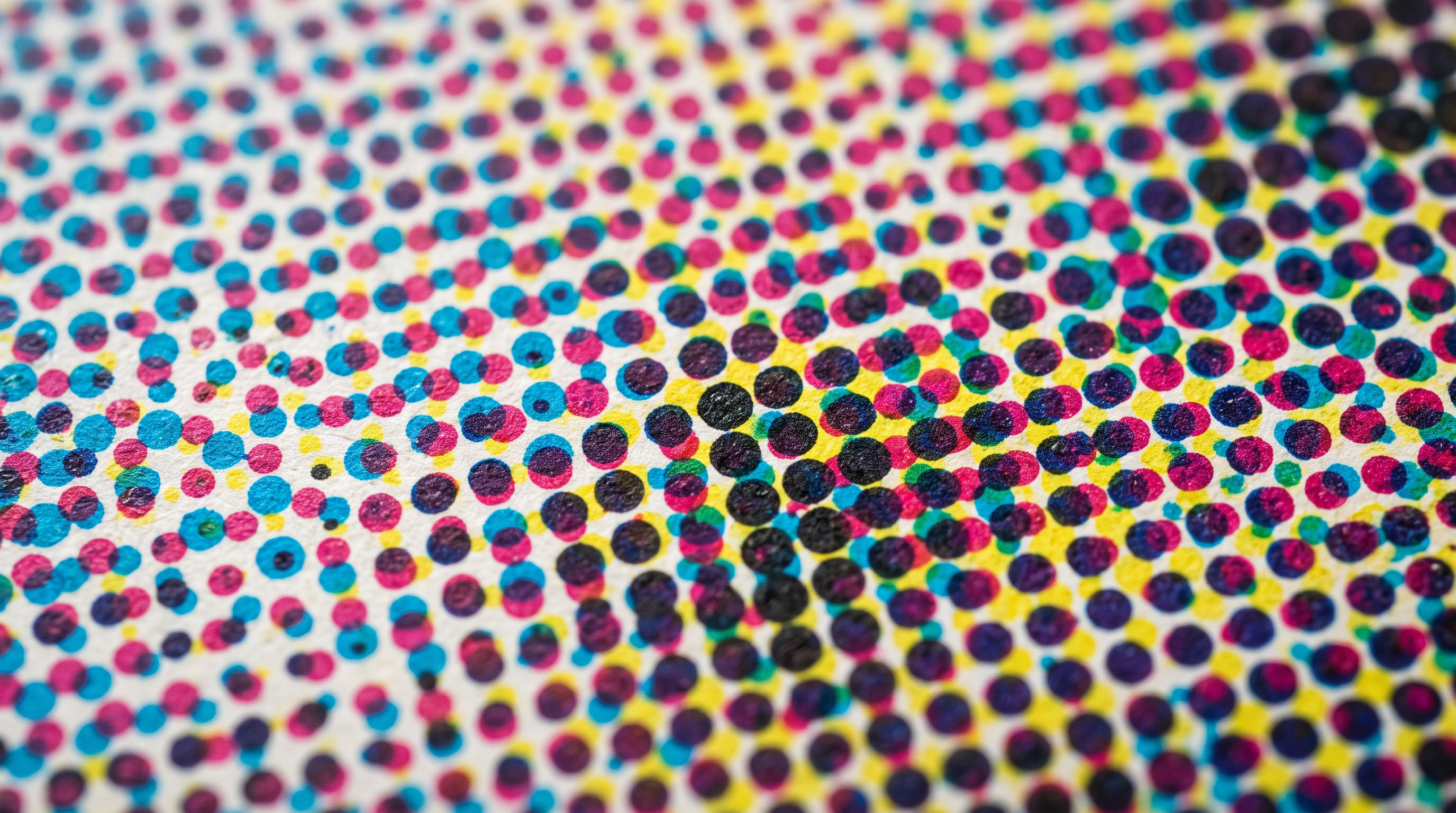
Colour Management for Large Format Printing: A UK Designer's Guide
Struggling with colours that look perfect on screen but disappoint in print? Our expert guide to colour management for large format printing helps UK designers and businesses achieve accurate, vibrant results every time — from file setup to final output.